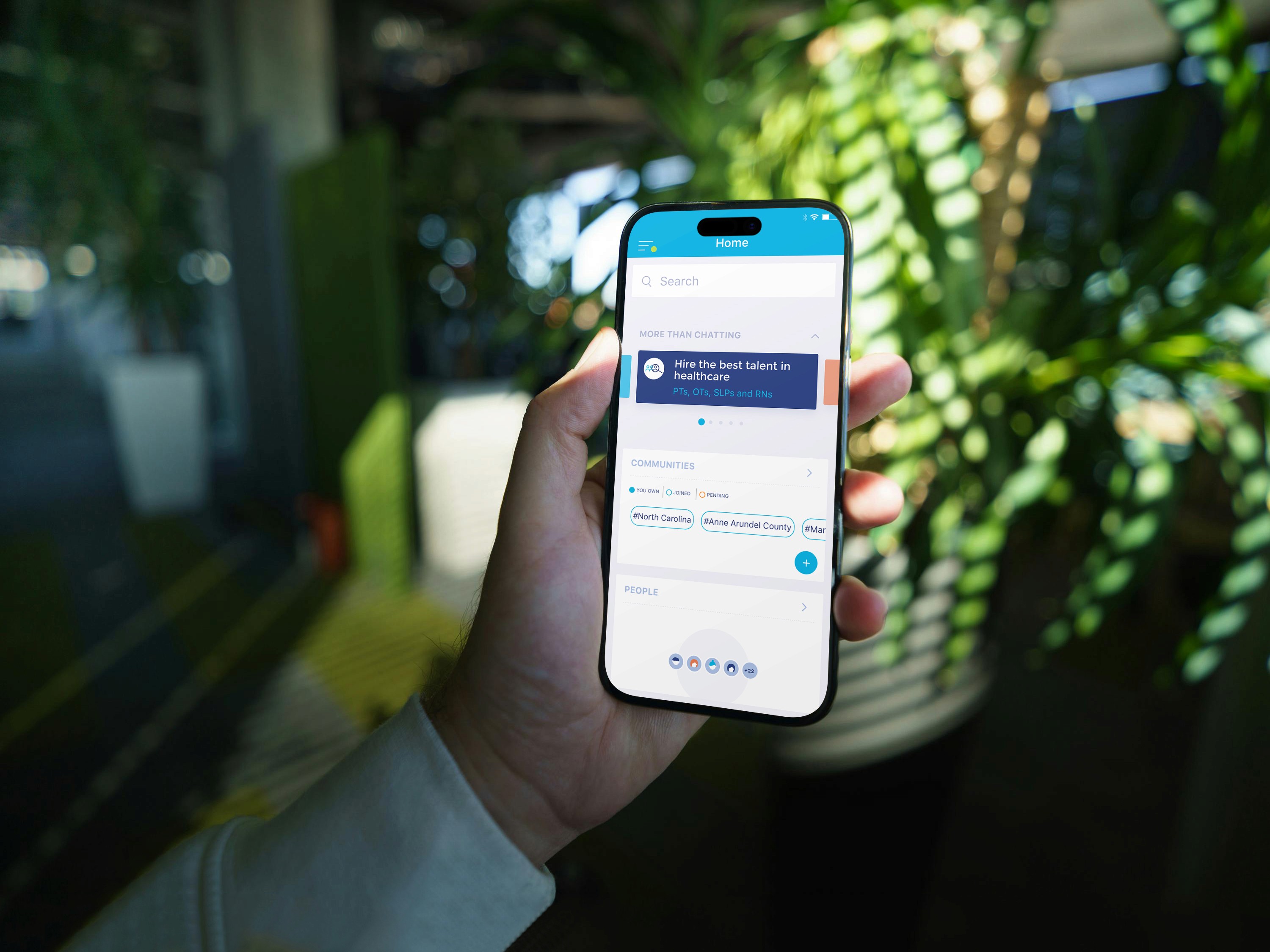
Kure is an internal healthcare platform built to support the operational backbone of clinics and hospitals. I led product design across web and mobile, owning experience strategy, system foundations, and multi-stakeholder workflows for a highly regulated, high-complexity environment. My role focused on translating fragmented, manual processes into a coherent platform that could scale across organizations without breaking trust, reliability, or operational clarity.
Kure is an internal healthcare platform built to support the operational backbone of clinics and hospitals. I led product design across web and mobile, owning experience strategy, system foundations, and multi-stakeholder workflows for a highly regulated, high-complexity environment. My role focused on translating fragmented, manual processes into a coherent platform that could scale across organizations without breaking trust, reliability, or operational clarity.


Challenges
Healthcare operations involve multiple user types working under strict regulatory, time, and reliability constraints. At Kure, the challenge was not building features, but designing a system that could support: - patients - nurses and doctors - administrative staff - recruiters and HR - financial analysts and executives
Each group had different goals, permissions, and mental models, yet all needed to operate within the same platform. The existing processes were fragmented, heavily manual, and difficult to scale.
Challenges
Healthcare operations involve multiple user types working under strict regulatory, time, and reliability constraints. At Kure, the challenge was not building features, but designing a system that could support: - patients - nurses and doctors - administrative staff - recruiters and HR - financial analysts and executives
Each group had different goals, permissions, and mental models, yet all needed to operate within the same platform. The existing processes were fragmented, heavily manual, and difficult to scale.
Expectations vs. Reality
A surface-level solution would have optimized individual workflows in isolation. In reality, improving one role’s experience often created friction elsewhere.
Designing Kure required a system-level view: understanding how decisions made for one user type impacted others across the organization, both operationally and financially.
Expectations vs. Reality
A surface-level solution would have optimized individual workflows in isolation. In reality, improving one role’s experience often created friction elsewhere.
Designing Kure required a system-level view: understanding how decisions made for one user type impacted others across the organization, both operationally and financially.
Design Strategy & Key Decisions
Decision 1: Designing the system before individual workflows
Decision 1: Designing the system before individual workflows
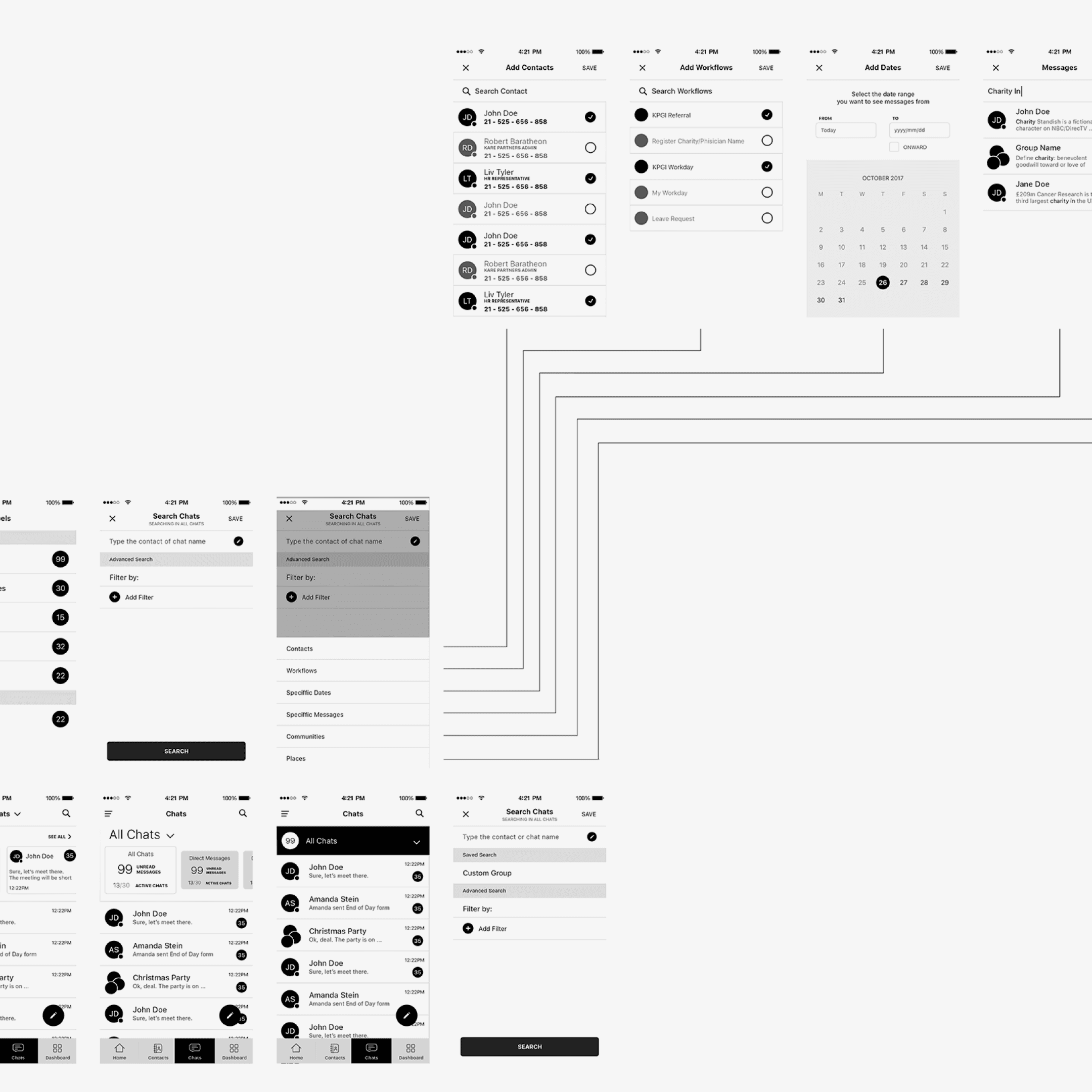
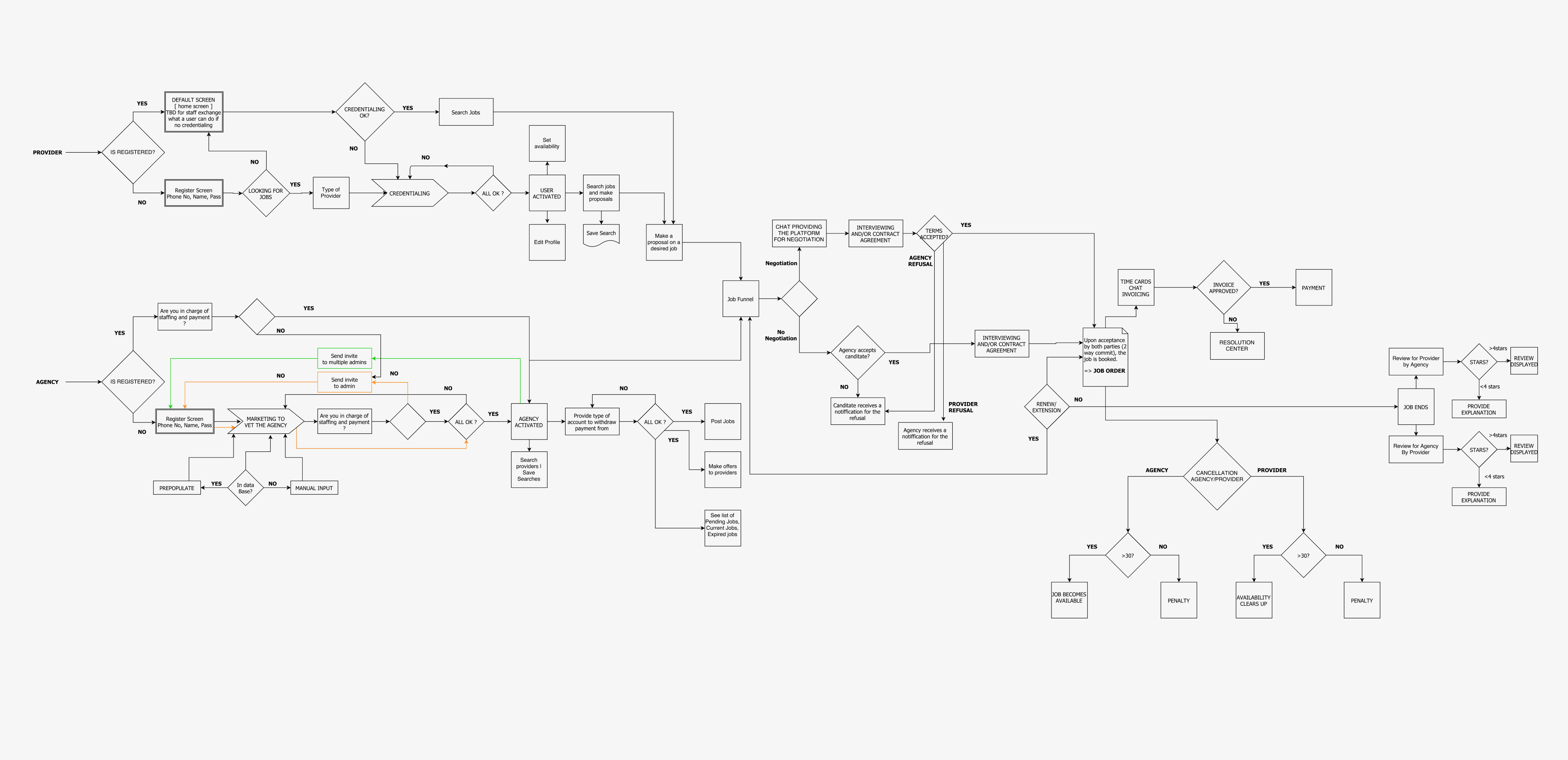
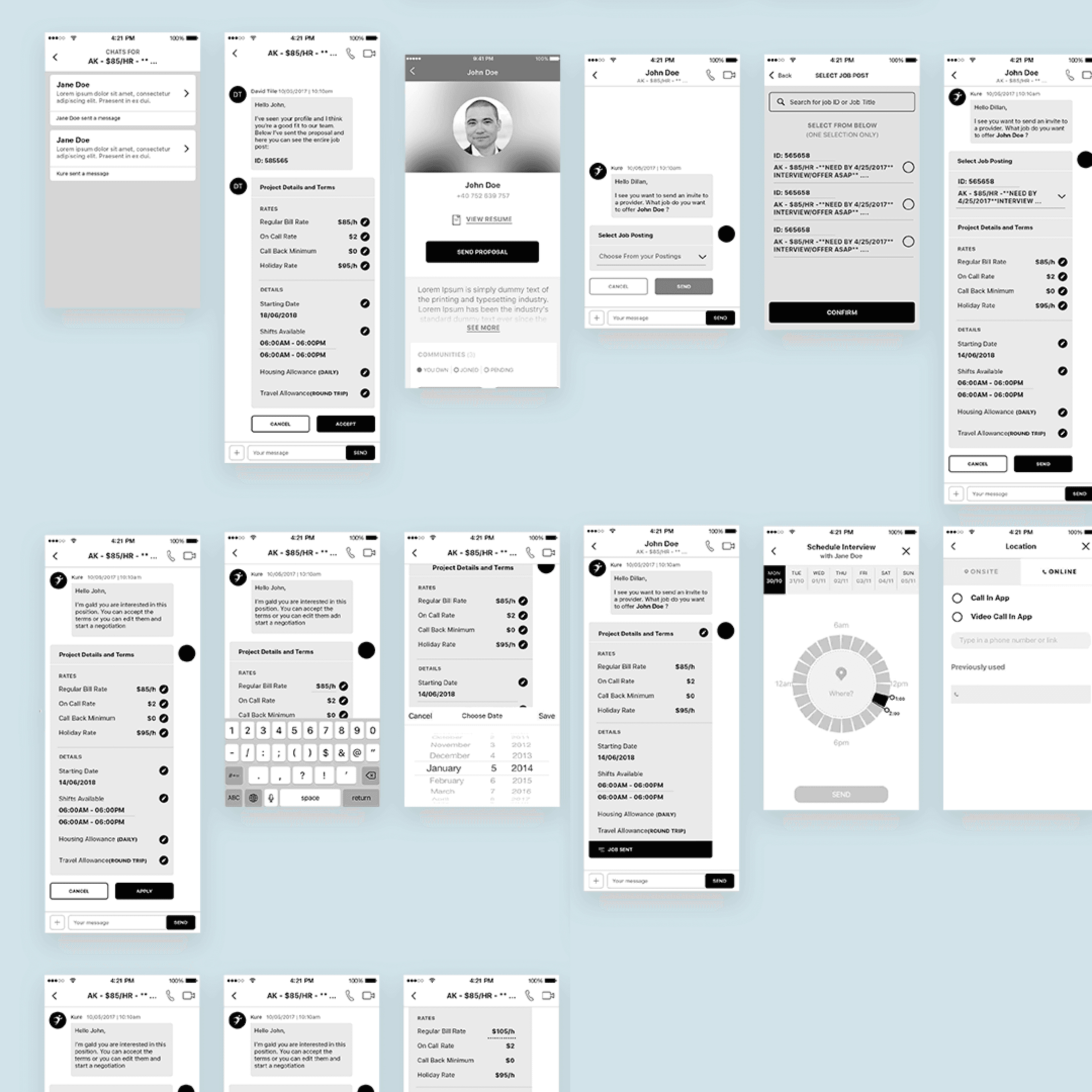
Rather than starting with screens, I mapped the underlying operational model: roles, permissions, dependencies, and data flows. This allowed the platform to remain coherent even as complexity increased and new use cases were introduced.
Decision 2: Prioritizing clarity over density
Decision 2: Prioritizing clarity over density
Healthcare systems often collapse under their own complexity. I intentionally designed for clarity: progressive disclosure, strong hierarchy, and predictable patterns, even when it meant resisting feature density. This reduced cognitive load for frontline staff while keeping the system powerful enough for advanced users.
Decision 3: Building reusable patterns across web and mobile
Decision 3: Building reusable patterns across web and mobile
Kure needed to function consistently across devices without duplicating effort or logic. I focused on shared patterns, components, and interaction principles that could scale across web and mobile while respecting each platform’s constraints. This improved maintainability and reduced long-term design debt.
Design Strategy & Key Decisions
Decision 1: Designing the system before individual workflows
Rather than starting with screens, I mapped the underlying operational model: roles, permissions, dependencies, and data flows. This allowed the platform to remain coherent even as complexity increased and new use cases were introduced.
Decision 2: Prioritizing clarity over density
Healthcare systems often collapse under their own complexity. I intentionally designed for clarity: progressive disclosure, strong hierarchy, and predictable patterns, even when it meant resisting feature density. This reduced cognitive load for frontline staff while keeping the system powerful enough for advanced users.
Decision 3: Building reusable patterns across web and mobile
Kure needed to function consistently across devices without duplicating effort or logic. I focused on shared patterns, components, and interaction principles that could scale across web and mobile while respecting each platform’s constraints. This improved maintainability and reduced long-term design debt.
Impact
$12M+
in annual revenue supported through improved operational efficiency
13+
Clinics in North Carolina, US, using the platform
3+
Hospitals in India using the platform
60%
Reduction of time to complete form across the board, on all verticals
$12M+
in annual revenue supported through improved operational efficiency
13+
Clinics in North Carolina, US, using the platform
3+
Hospitals in India using the platform
60%
Reduction of time to complete form across the board, on all verticals
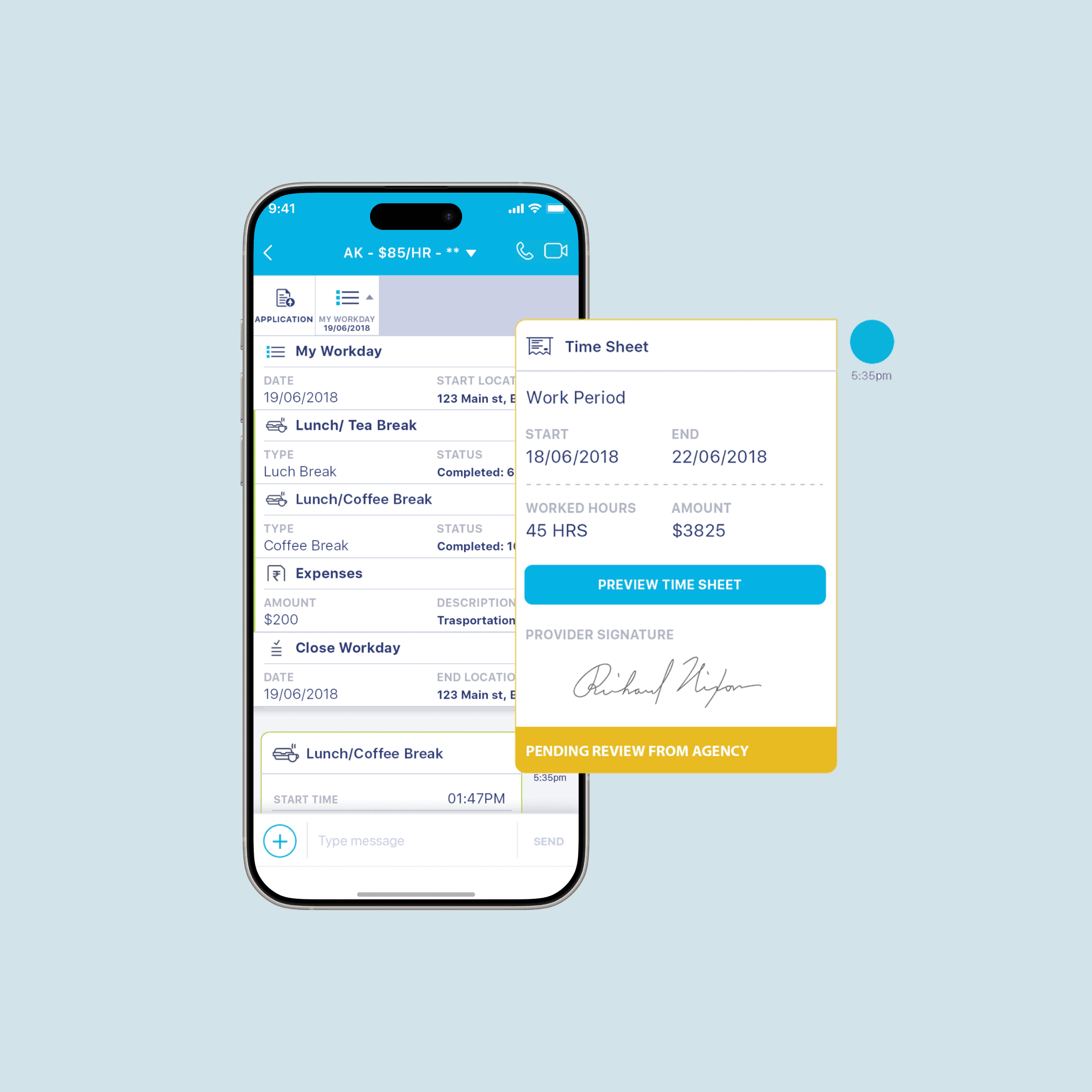
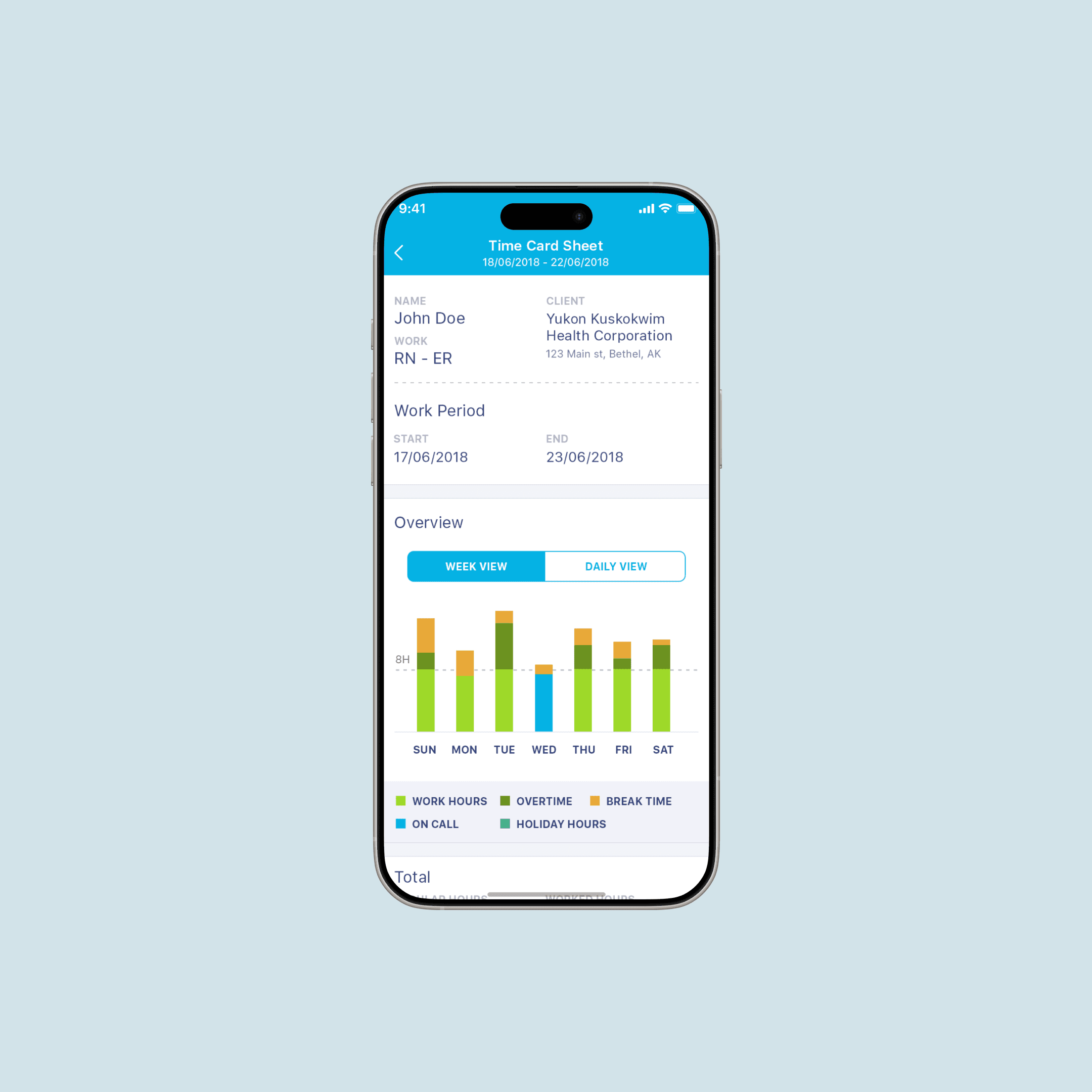
From Strategy to Execution
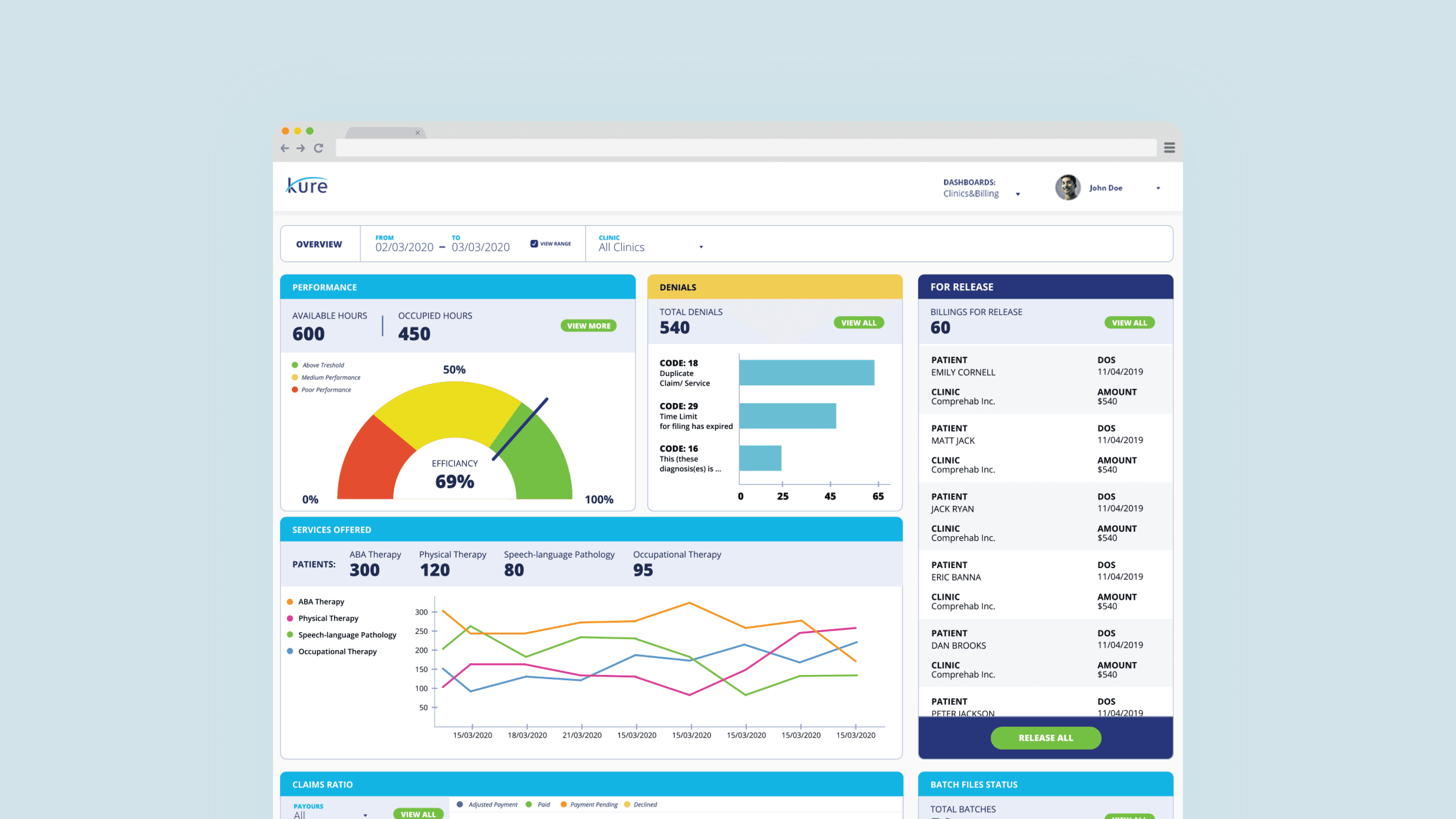
Design execution focused on supporting real operational workflows, not idealized user journeys.
Design execution focused on supporting real operational workflows, not idealized user journeys.
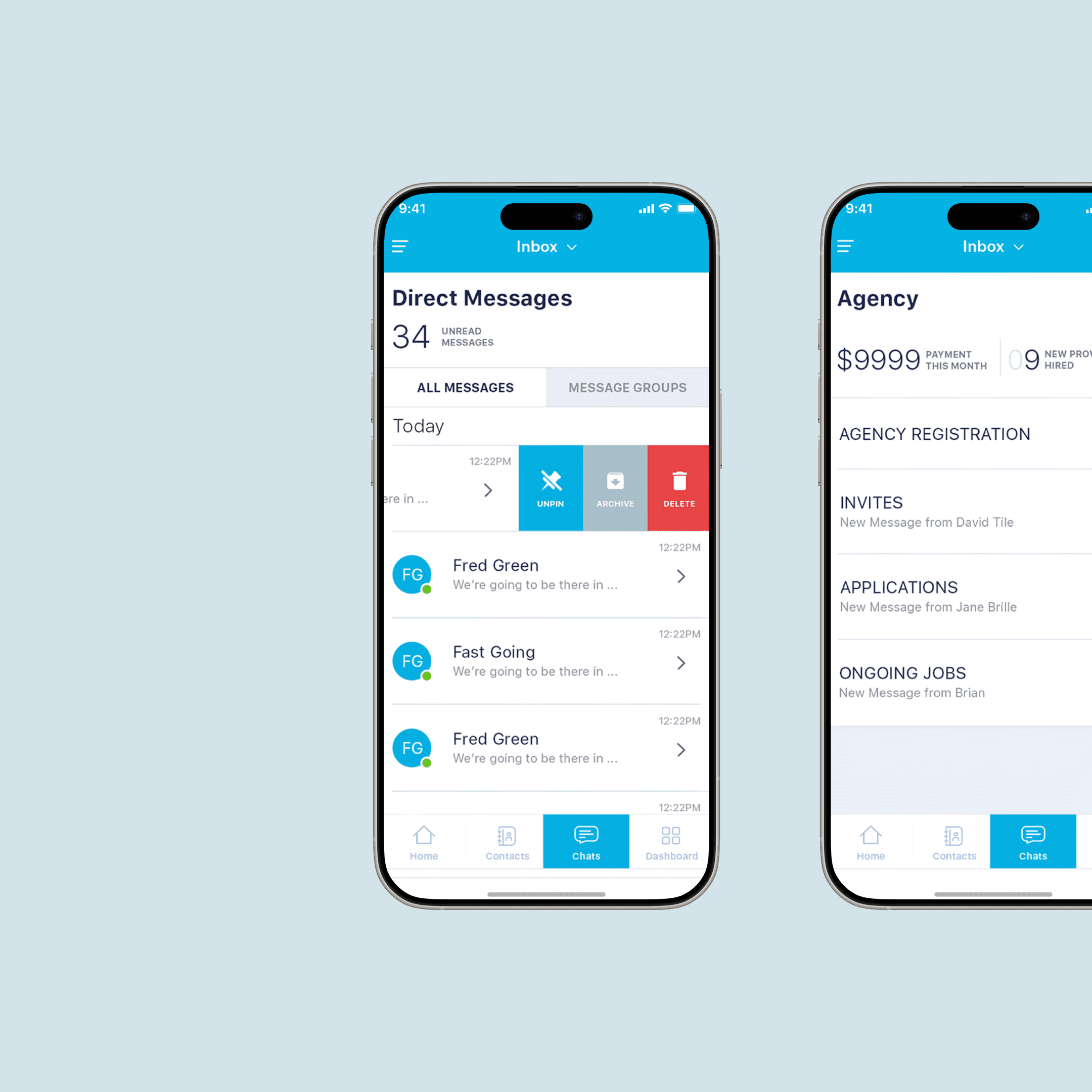
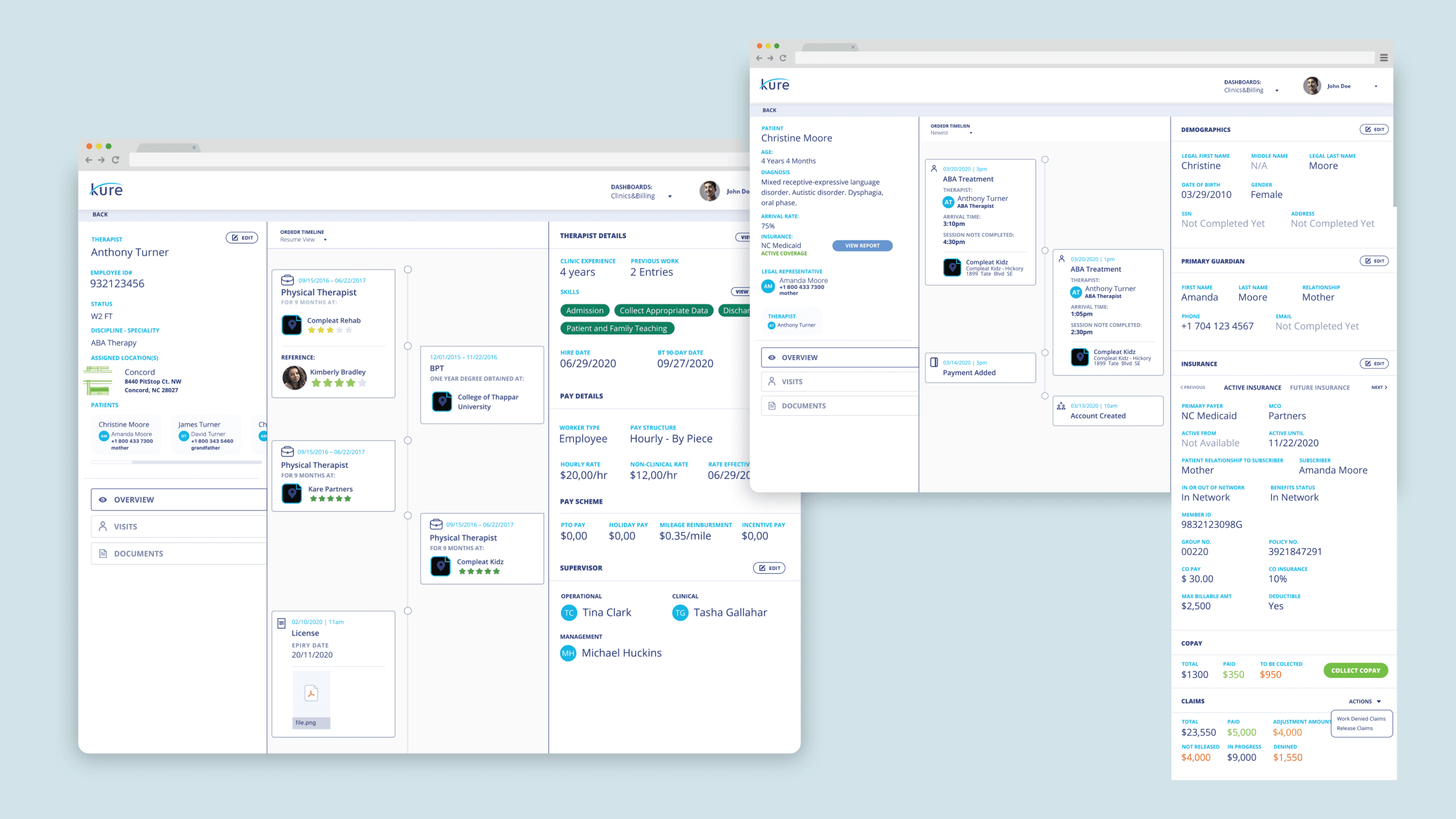
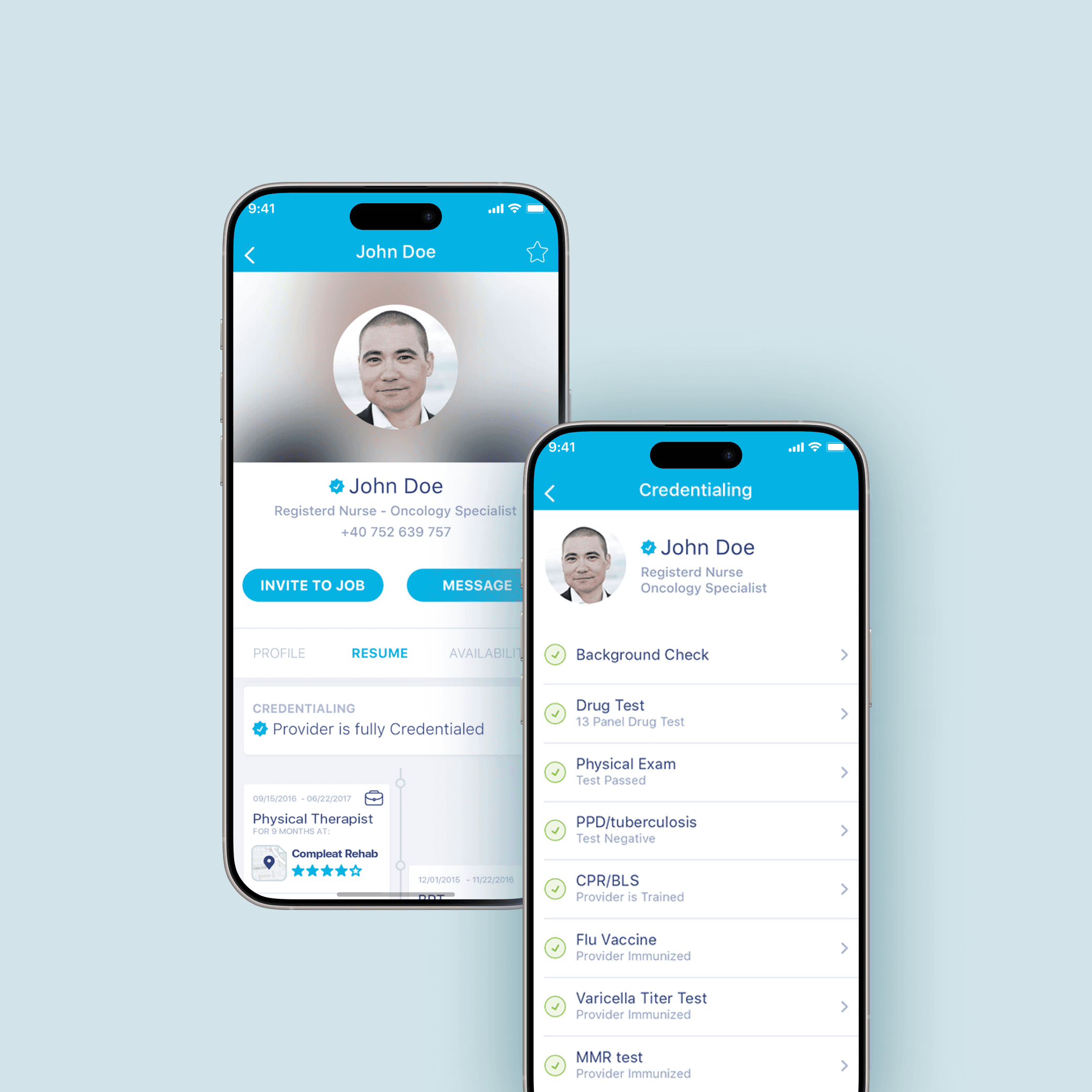
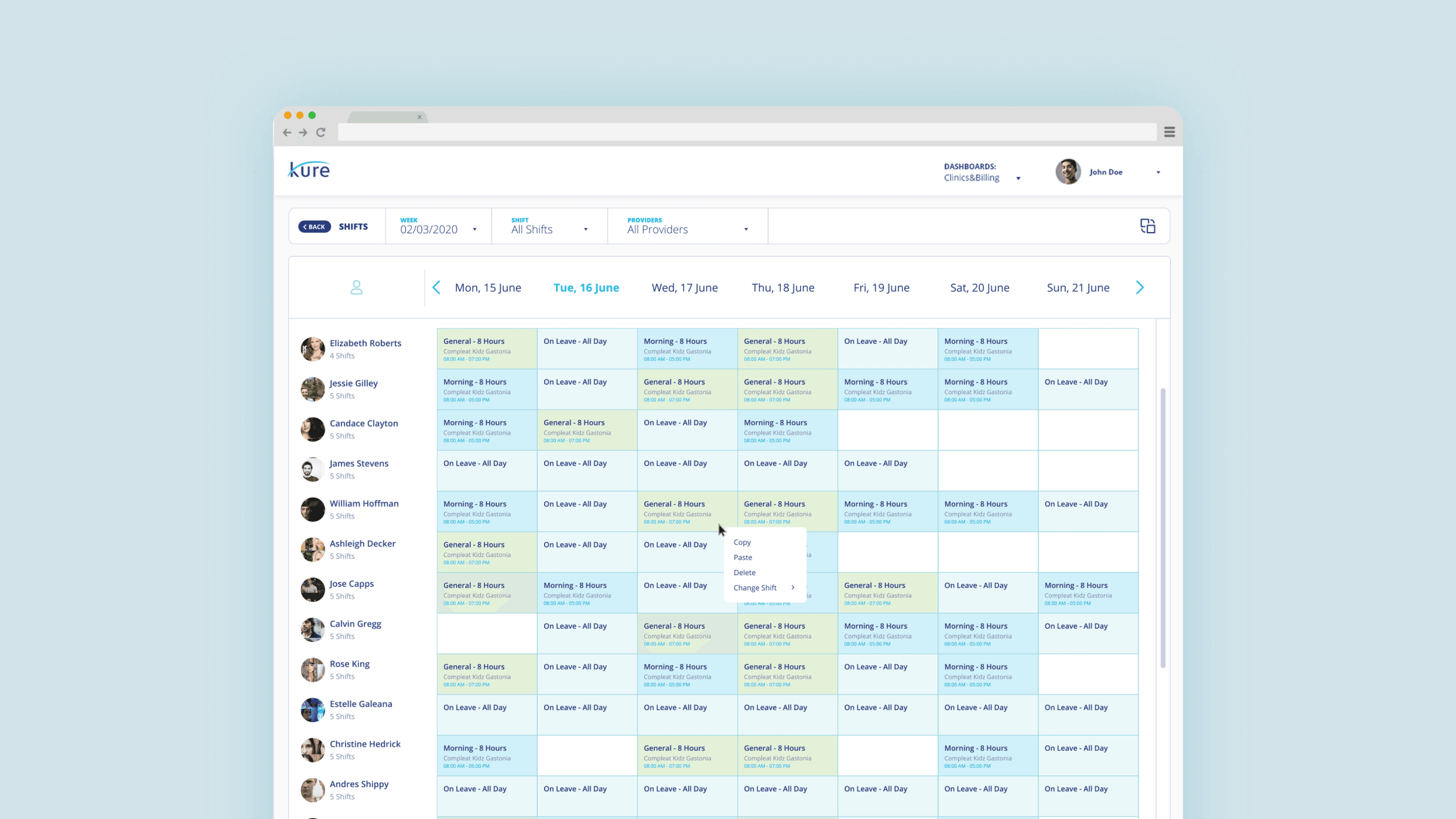
Operational Dashboards Designed to surface the right information at the right time for different roles, reducing dependency on manual reporting. Staffing & Recruitment Flows Clear, role-aware flows that balanced speed with compliance and accuracy. Mobile Support for On-the-Go Roles Mobile experiences optimized for quick actions and visibility without sacrificing data integrity.
From Strategy to Execution
Design execution focused on supporting real operational workflows, not idealized user journeys.
Operational Dashboards Designed to surface the right information at the right time for different roles, reducing dependency on manual reporting. Staffing & Recruitment Flows Clear, role-aware flows that balanced speed with compliance and accuracy. Mobile Support for On-the-Go Roles Mobile experiences optimized for quick actions and visibility without sacrificing data integrity.
Reflection
Kure reinforced the importance of system thinking in complex domains. Designing for healthcare operations isn’t about perfect flows, it’s about creating resilient structures that hold up under real-world pressure.
Kure reinforced the importance of system thinking in complex domains. Designing for healthcare operations isn’t about perfect flows, it’s about creating resilient structures that hold up under real-world pressure.
The principles applied here: clarity, systems over one-offs, and decision-making at scale, translate directly to any complex B2B or regulated product environment.
Reflection
Kure reinforced the importance of system thinking in complex domains. Designing for healthcare operations isn’t about perfect flows, it’s about creating resilient structures that hold up under real-world pressure.
The principles applied here: clarity, systems over one-offs, and decision-making at scale, translate directly to any complex B2B or regulated product environment.
Latest projects
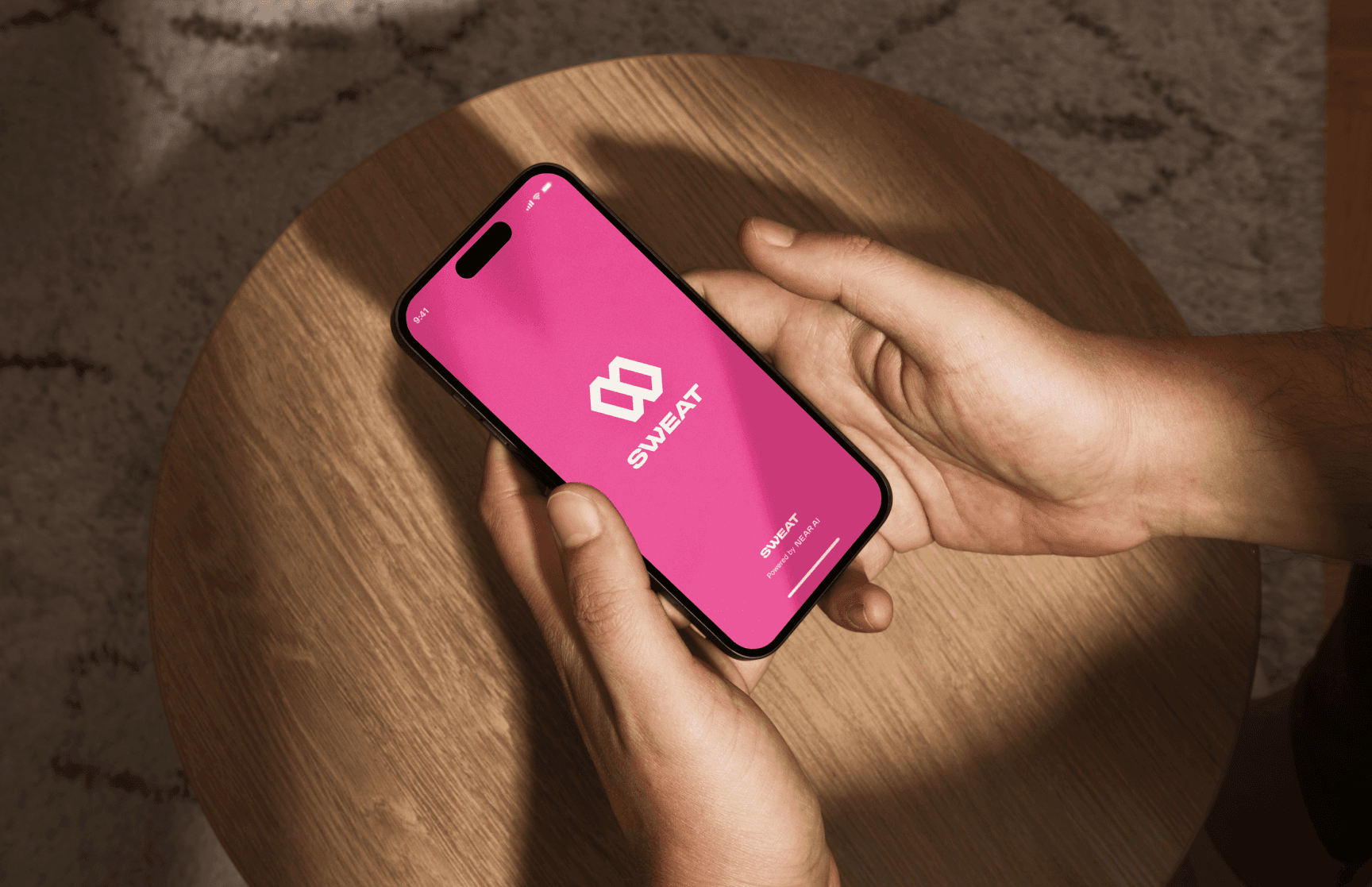
Sweat Wallet
Leading Product Design From Zero to Scale Defining trust, clarity, and systems for a consumer crypto wallet.
Sweat Wallet
Leading Product Design From Zero to Scale Defining trust, clarity, and systems for a consumer crypto wallet.
Tello
Building Tello’s Consumer Platform from the Ground Up
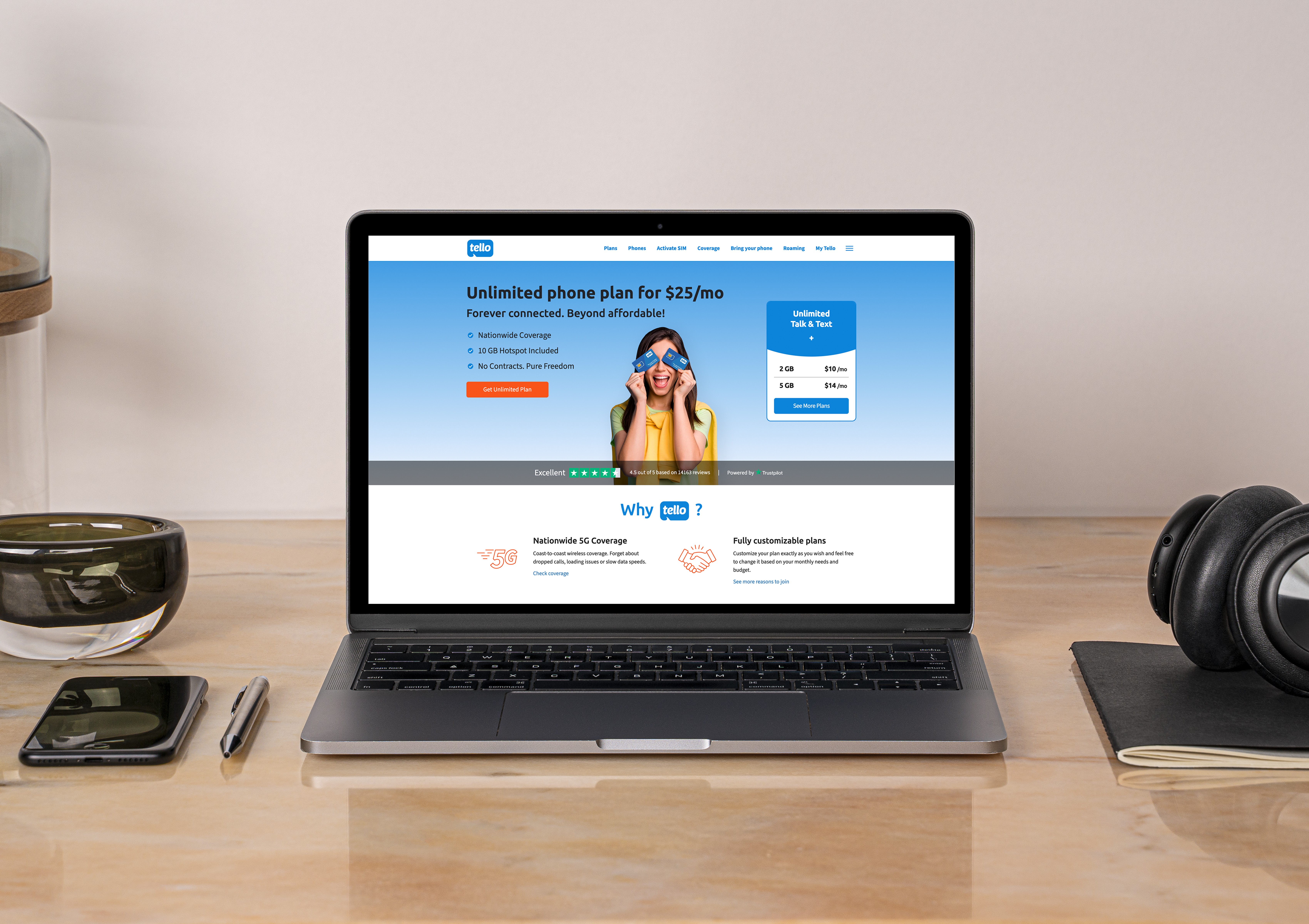
Tello
Building Tello’s Consumer Platform from the Ground Up