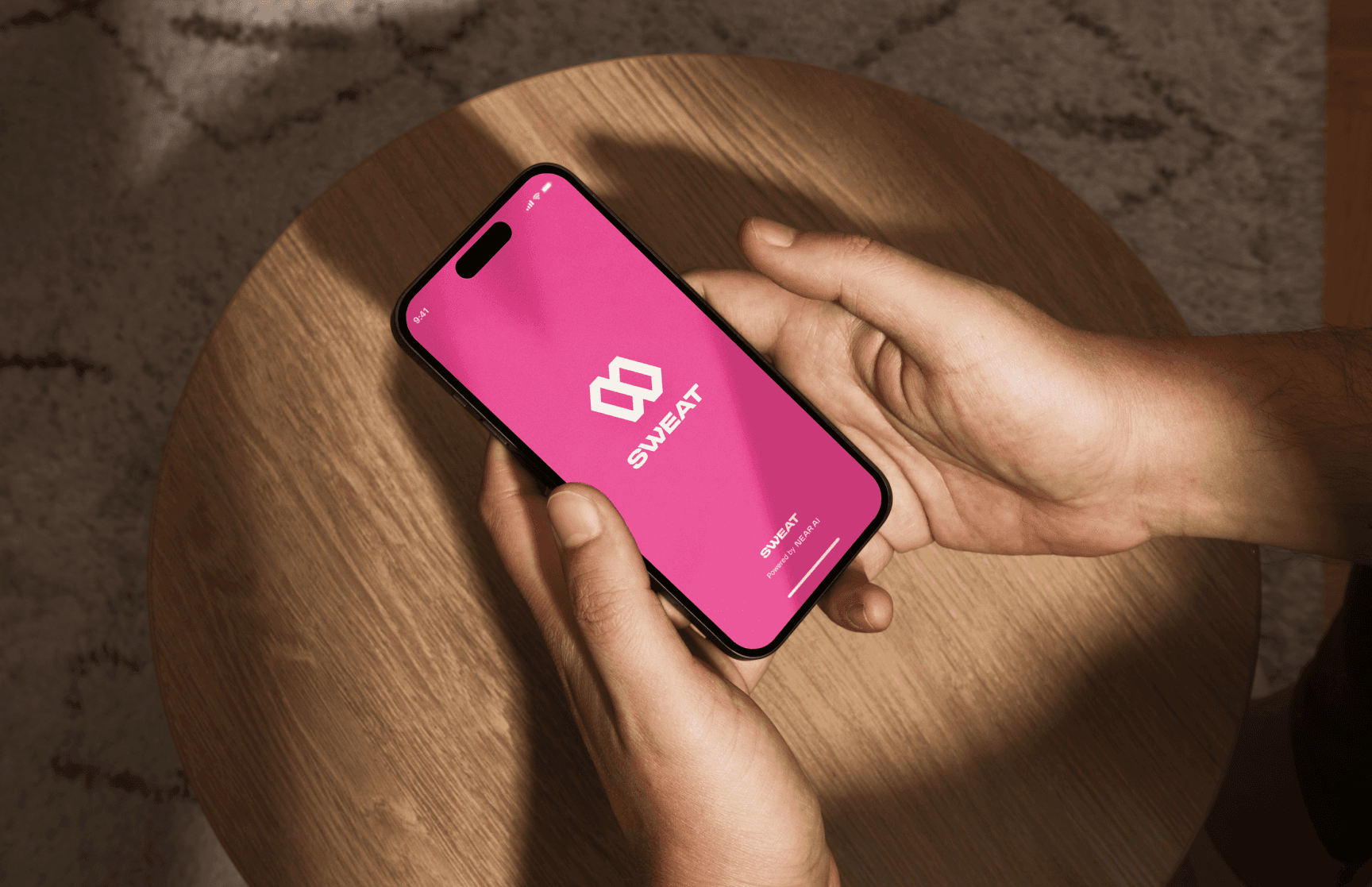
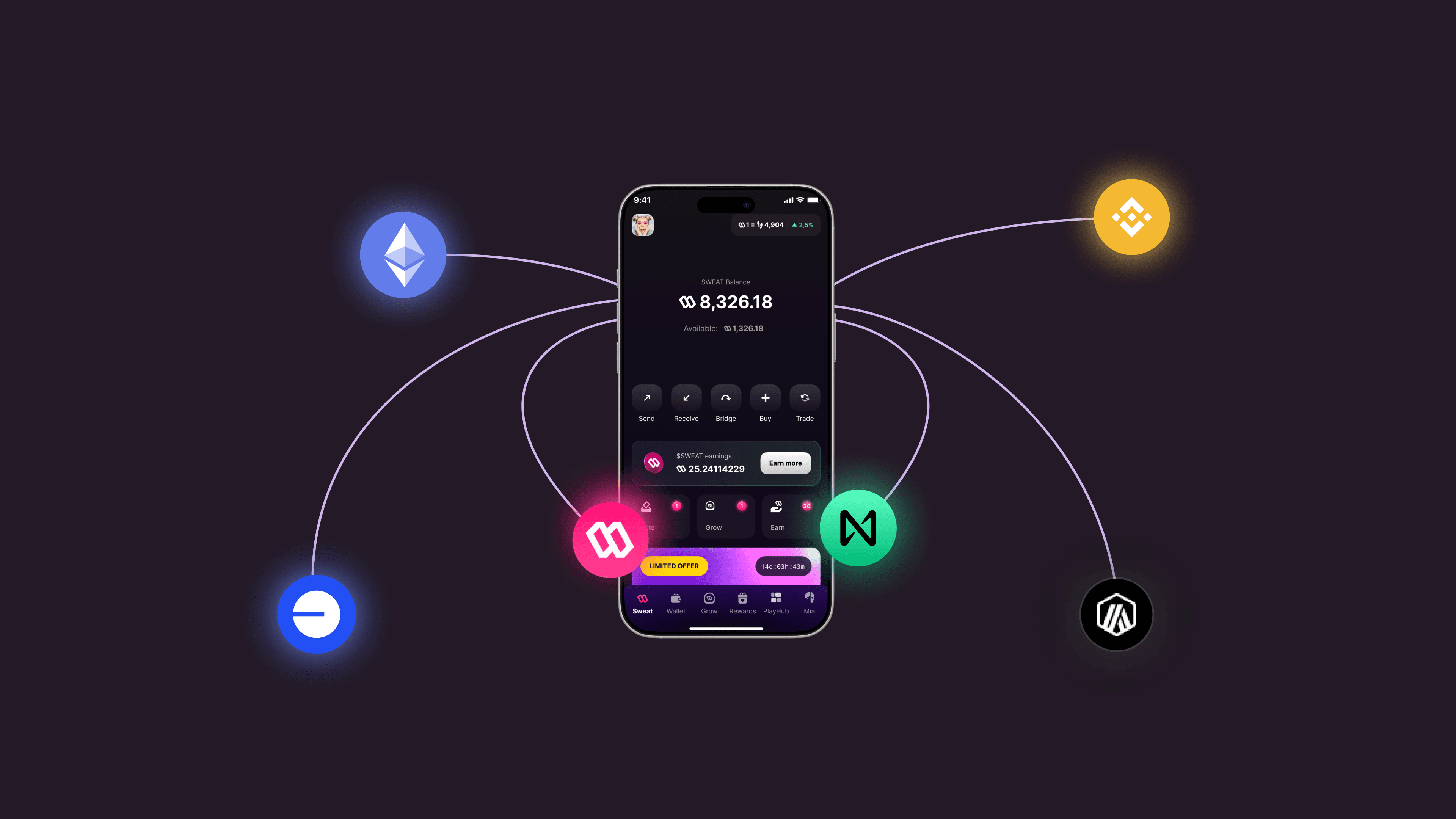
Sweat Wallet is a consumer crypto wallet built to onboard a mainstream audience into Web3. I led product design from zero to scale, owning experience strategy, design principles, and system foundations to support growth at millions-of-users scale.
Sweat Wallet is a consumer crypto wallet built to onboard a mainstream audience into Web3. I led product design from zero to scale, owning experience strategy, design principles, and system foundations to support growth at millions-of-users scale.

The Challenge
Building consumer financial products at scale introduces a fundamental design challenge: users must feel confident engaging with unfamiliar concepts that carry real-world consequences. For Sweat Wallet, this meant designing experiences that balanced: - accessibility for first-time users - trust and perceived safety - long-term engagement and retention - business goals tied to sustained value, not short-term activity
Early design decisions would directly shape adoption, behavior, and the product’s ability to scale responsibly.
The Challenge
Building consumer financial products at scale introduces a fundamental design challenge: users must feel confident engaging with unfamiliar concepts that carry real-world consequences. For Sweat Wallet, this meant designing experiences that balanced: - accessibility for first-time users - trust and perceived safety - long-term engagement and retention - business goals tied to sustained value, not short-term activity
Early design decisions would directly shape adoption, behavior, and the product’s ability to scale responsibly.
Expectations vs. Reality
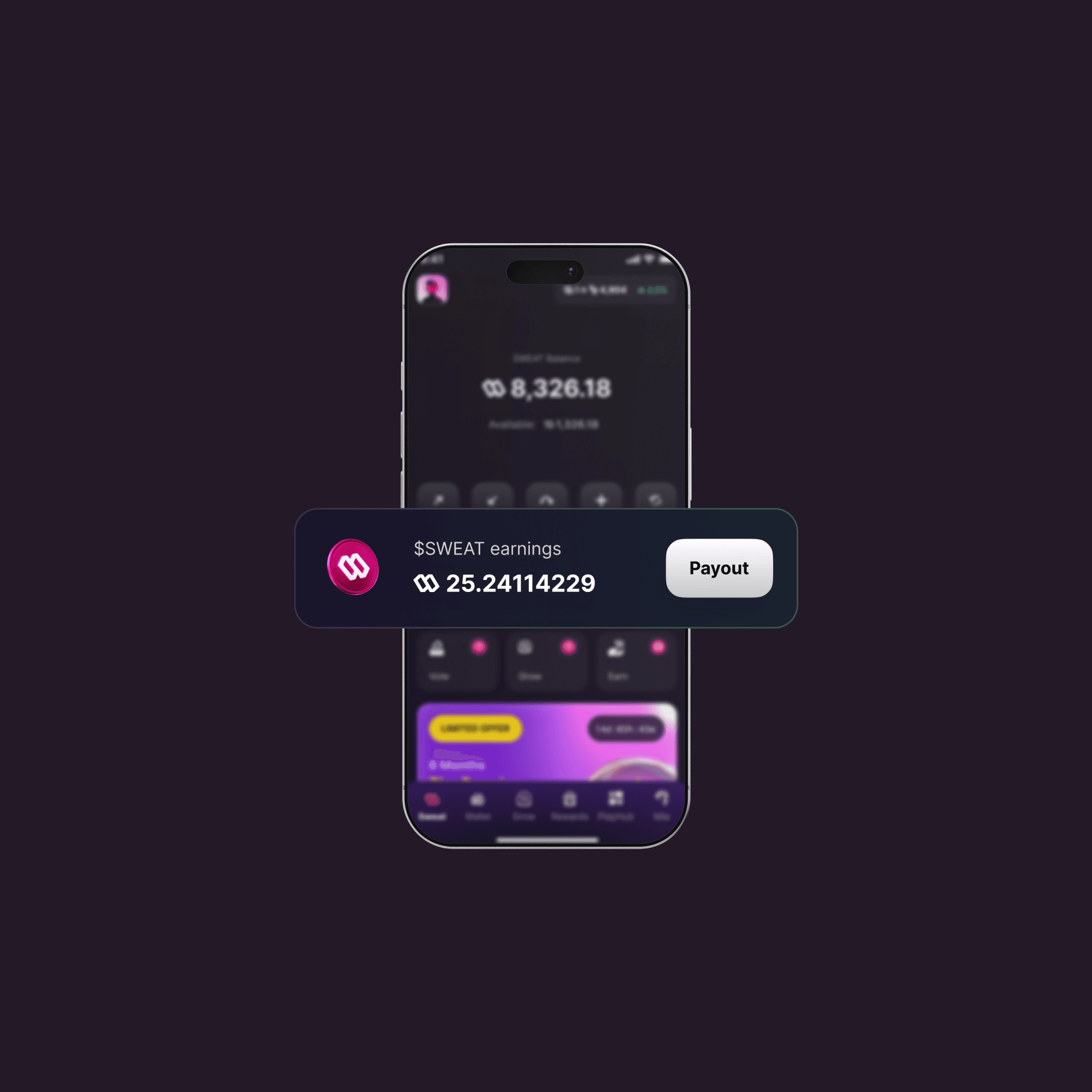
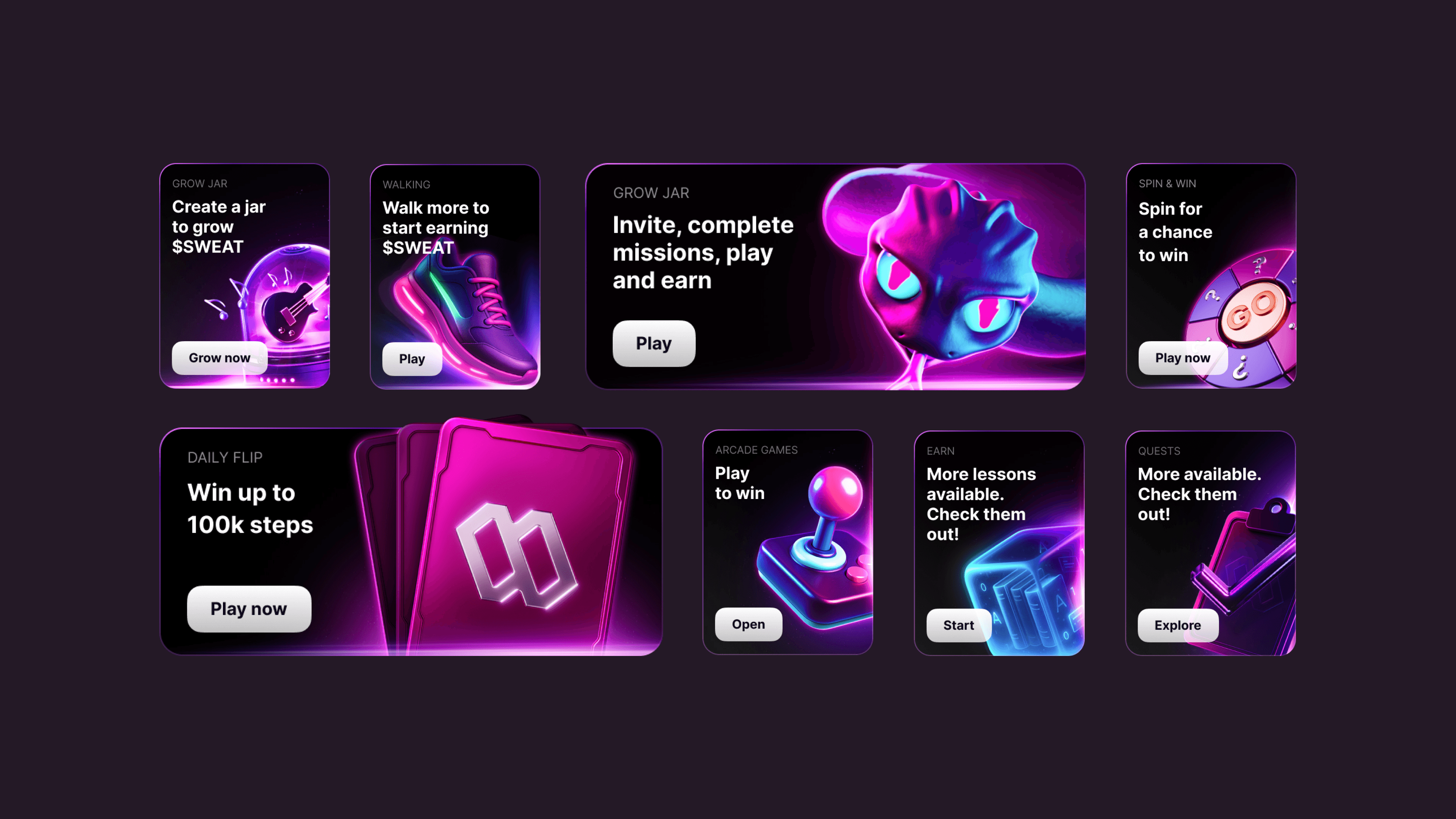
A common approach in emerging financial products is to expose users directly to underlying mechanics and terminology. While technically accurate, this often assumes a level of familiarity that doesn’t exist for a mainstream audience. A direct translation of complex concepts would have increased cognitive load, slowed onboarding, and introduced friction at the most critical moments of the user journey.
Instead, the product needed to meet users where they were, not where the system started.
Expectations vs. Reality
A common approach in emerging financial products is to expose users directly to underlying mechanics and terminology. While technically accurate, this often assumes a level of familiarity that doesn’t exist for a mainstream audience. A direct translation of complex concepts would have increased cognitive load, slowed onboarding, and introduced friction at the most critical moments of the user journey.
Instead, the product needed to meet users where they were, not where the system started.
Design Strategy & Key Decisions
Decision 1: Designing mental models before features
Decision 1: Designing mental models before features
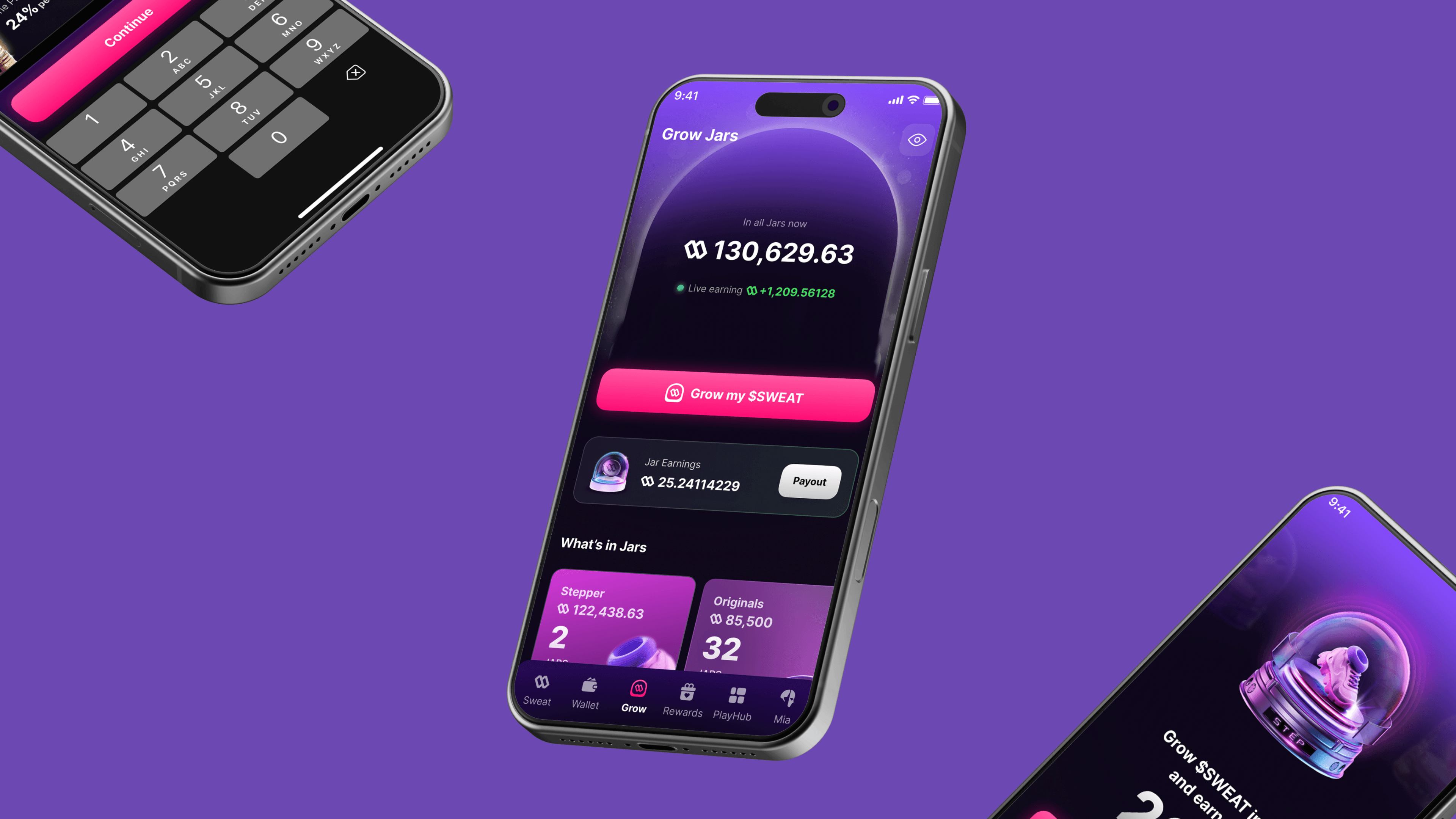
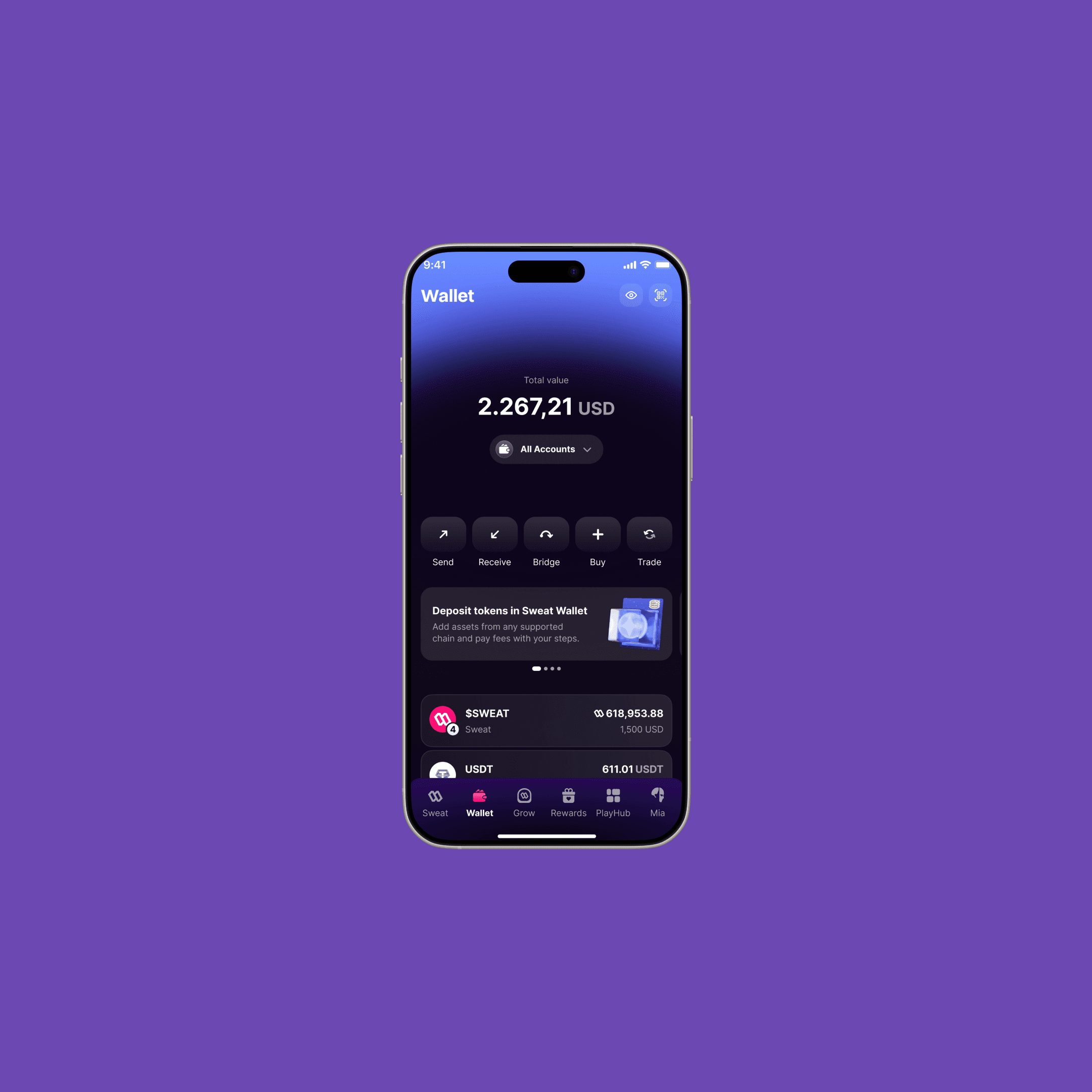
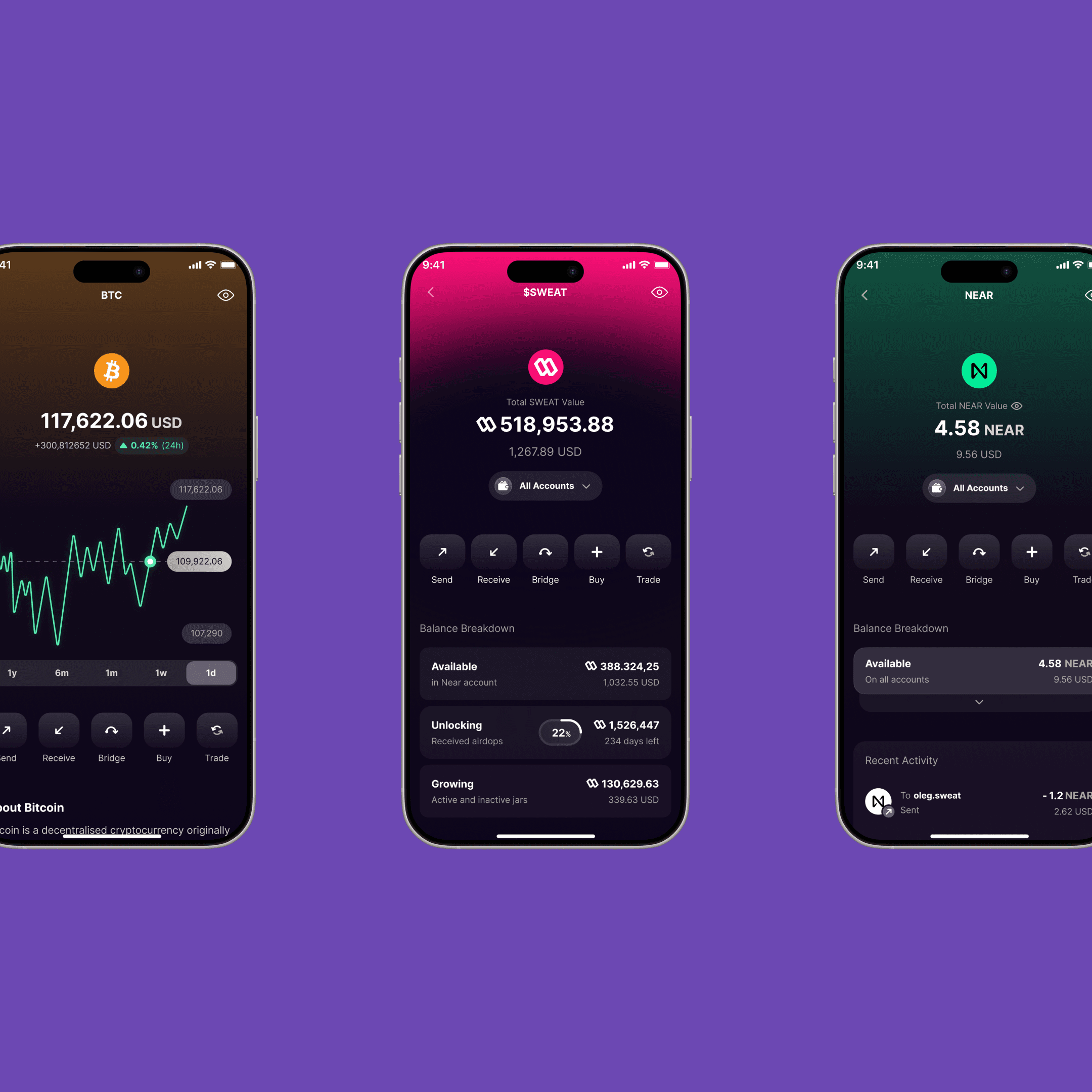
Rather than exposing users to raw mechanics, I focused on creating familiar mental models that aligned with how people already understand growth, progress, and long-term value. This reduced the learning curve, increased confidence, and allowed users to engage meaningfully without needing deep domain knowledge.
Decision 2: Optimizing for long-term engagement, not short-term activity
Decision 2: Optimizing for long-term engagement, not short-term activity
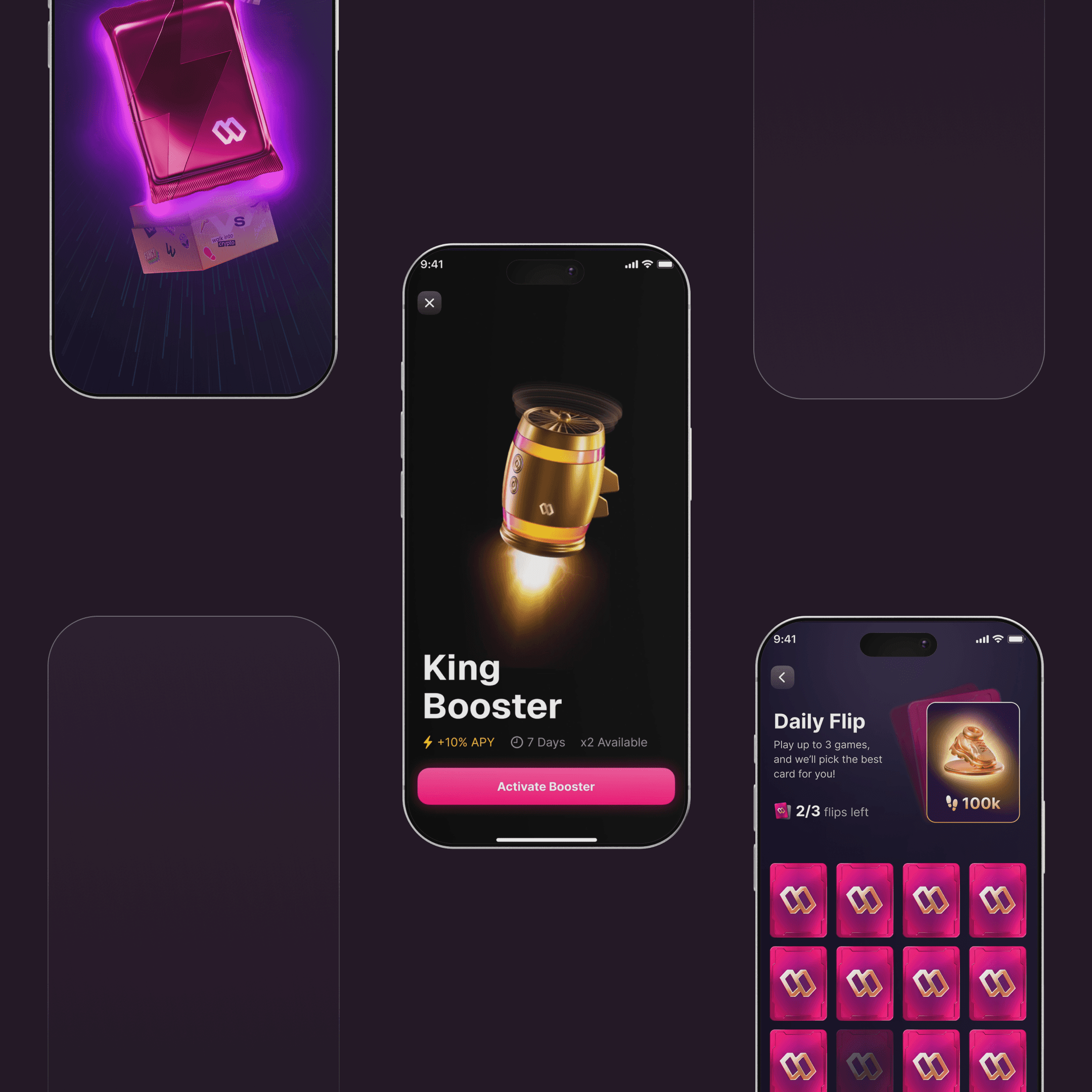
Success was defined not by clicks or transactions, but by sustained participation and trust over time. Design decisions prioritized clarity, pacing, and commitment. This encouraged users to stay engaged rather than optimize for immediate interaction.
Decision 3: Building systems, not one-off solutions
Decision 3: Building systems, not one-off solutions
Given the pace of iteration and expected growth, I prioritized reusable patterns, shared components, and clear design principles over bespoke solutions. This approach: - reduced design debt - improved cross-team alignment - increased delivery velocity without fragmentation
Decision 4: Monetizing without compromising user value
Decision 4: Monetizing without compromising user value
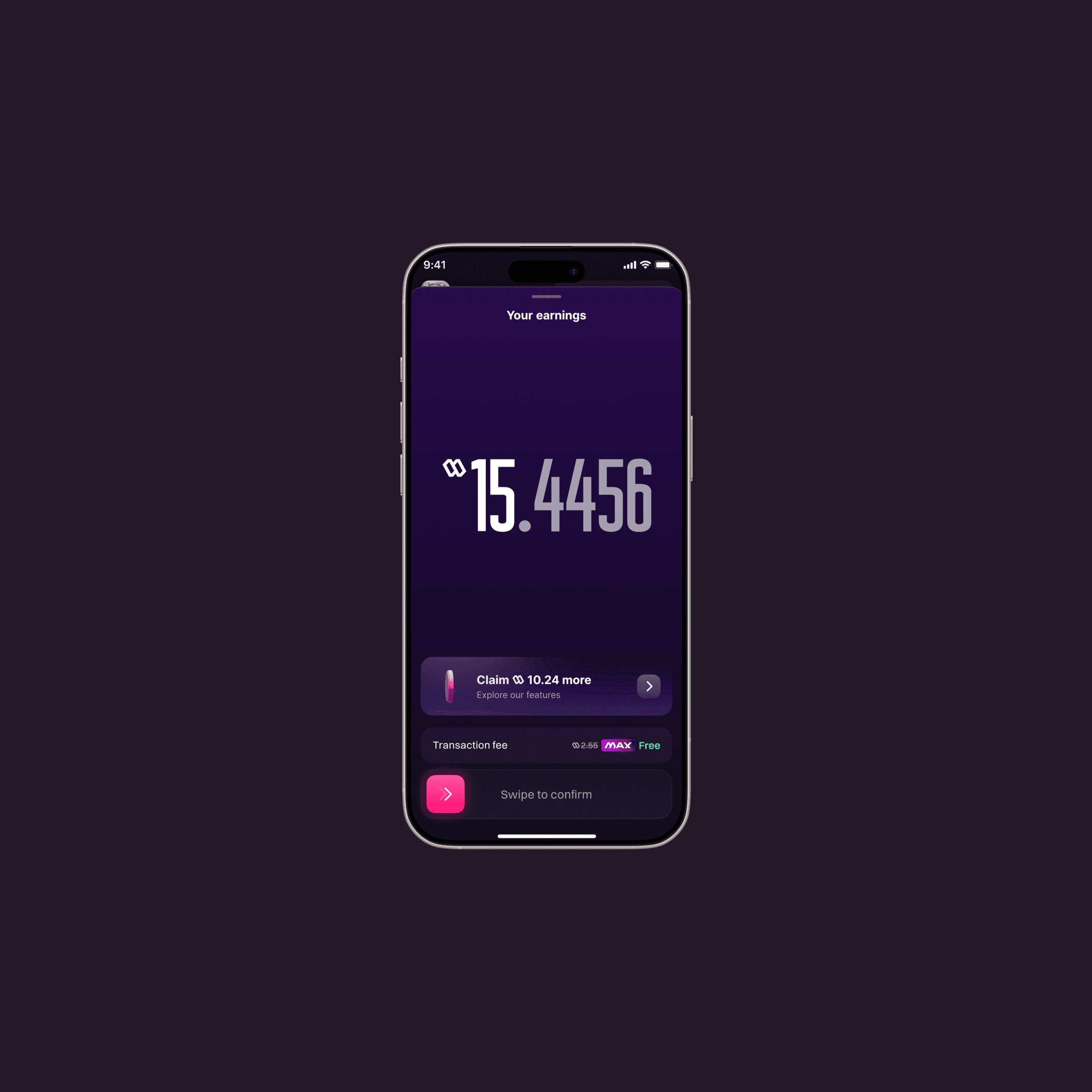
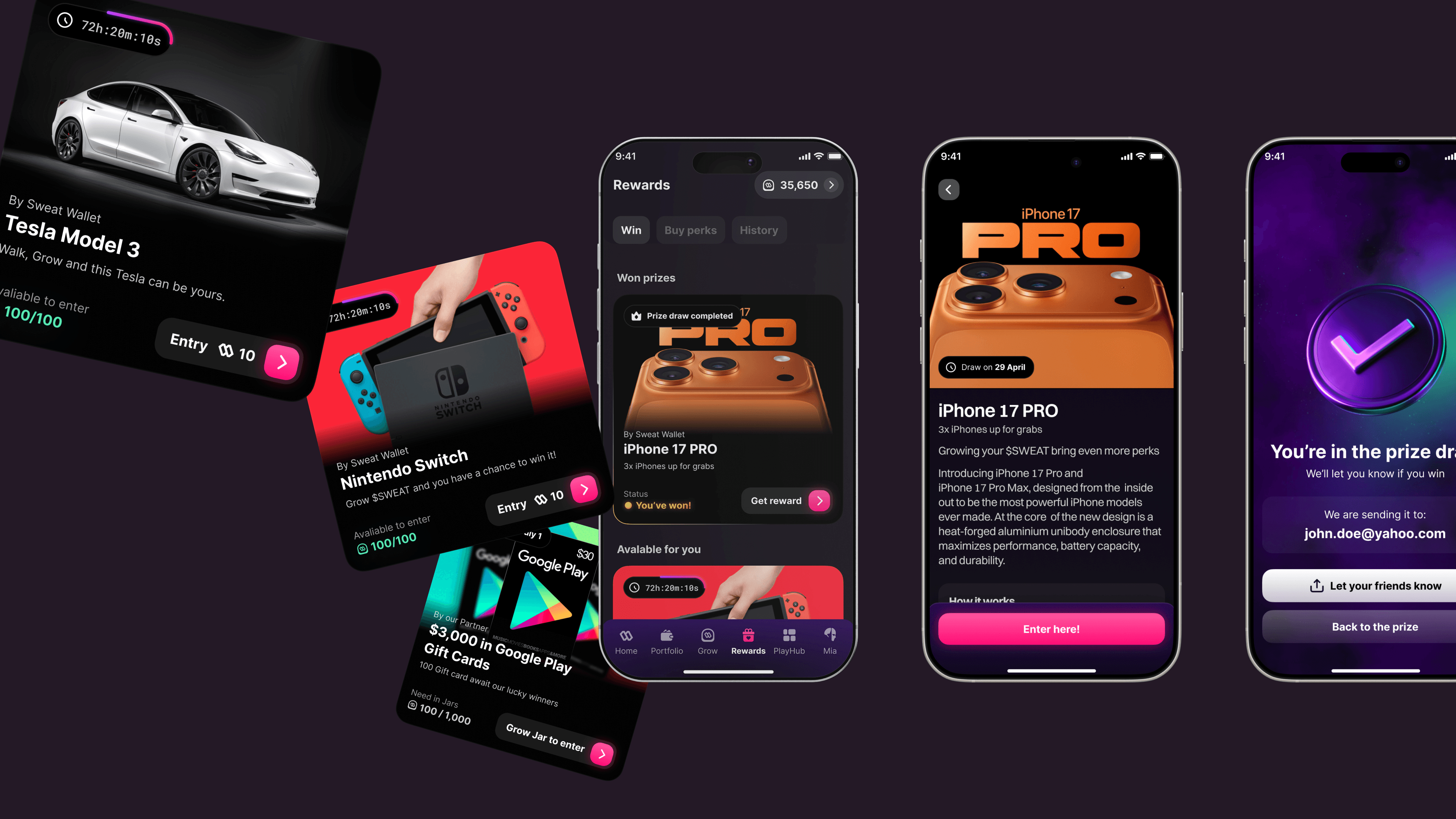
Monetization decisions were guided by a clear constraint: revenue should increase without degrading the user experience. By productizing key features and introducing rewarded ads only at moments that aligned with user intent, monetization became part of the product flow rather than an interruption. This approach unlocked a predictable, scalable revenue stream while preserving trust and long-term engagement.
Design Strategy & Key Decisions
Decision 1: Designing mental models before features
Rather than exposing users to raw mechanics, I focused on creating familiar mental models that aligned with how people already understand growth, progress, and long-term value. This reduced the learning curve, increased confidence, and allowed users to engage meaningfully without needing deep domain knowledge.
Decision 2: Optimizing for long-term engagement, not short-term activity
Success was defined not by clicks or transactions, but by sustained participation and trust over time. Design decisions prioritized clarity, pacing, and commitment. This encouraged users to stay engaged rather than optimize for immediate interaction.
Decision 3: Building systems, not one-off solutions
Given the pace of iteration and expected growth, I prioritized reusable patterns, shared components, and clear design principles over bespoke solutions. This approach: - reduced design debt - improved cross-team alignment - increased delivery velocity without fragmentation
Decision 4: Monetizing without compromising user value
Monetization decisions were guided by a clear constraint: revenue should increase without degrading the user experience. By productizing key features and introducing rewarded ads only at moments that aligned with user intent, monetization became part of the product flow rather than an interruption. This approach unlocked a predictable, scalable revenue stream while preserving trust and long-term engagement.
Decisions that deliver results
$6.5M +
Yearly revenue through saleable features and smart rewarded ad placement
1.45M+
Users engage with the wallet monthly
100+
Happily made partners that are returning customers of our Wallet
$1M+
The Value of rewards given out to our users
$6.5M +
Yearly revenue through saleable features and smart rewarded ad placement
1.45M+
Users engage with the wallet monthly
100+
Happily made partners that are returning customers of our Wallet
$1M+
The Value of rewards given out to our users


Reflection
This project reinforced how effective design leadership operates at scale: define clarity early, prioritize reusable patterns over features, lay monetisation levers from stage 0, and treat trust as a core product requirement.
This project reinforced how effective design leadership operates at scale: define clarity early, prioritize reusable patterns over features, lay monetisation levers from stage 0, and treat trust as a core product requirement.
The same principles apply across consumer platforms, fintech, healthcare, and any product where complexity and scale intersect.
Reflection
This project reinforced how effective design leadership operates at scale: define clarity early, prioritize reusable patterns over features, lay monetisation levers from stage 0, and treat trust as a core product requirement.
The same principles apply across consumer platforms, fintech, healthcare, and any product where complexity and scale intersect.